Who Is Ottolenghi?
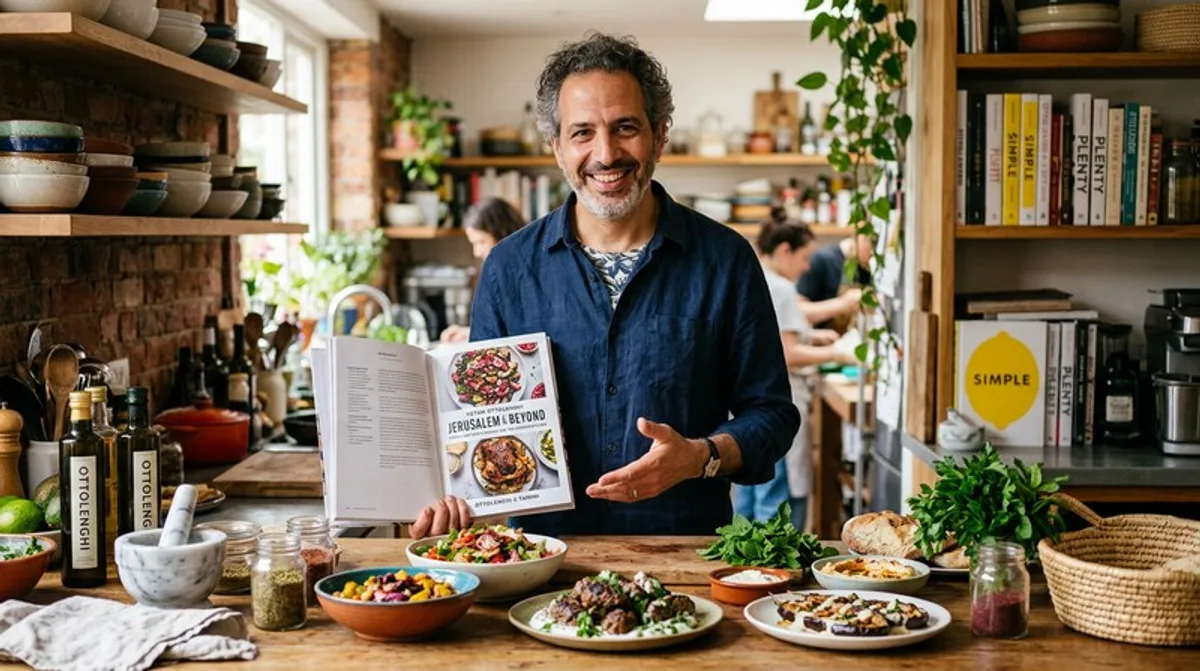
Ottolenghi — the culinary brand of Yotam Ottolenghi, born December 14, 1968, in Jerusalem, Israel, and based in London — is the Israeli-British chef, restaurateur, award-winning cookbook author, and food philosopher whose influence on modern vegetable cooking, Middle Eastern cuisine's global visibility, and the way Western professional and home kitchens approach vegetables, spices, and the bold flavor combinations that his cookbooks systematized has made him one of the most culturally significant food figures of the past two decades. His 1.2 million Instagram followers, 350,000 YouTube subscribers, and 500,000 TikTok followers represent the social media extension of a culinary authority built primarily through cookbooks — Plenty (2010), Jerusalem (2012, co-authored with Sami Tamimi), Ottolenghi: The Cookbook, Plenty More, Nopi, Sweet, Plenty Flavour, and numerous others — whose collective influence on professional kitchens, restaurant menus, and home cook recipe repertoires has been documented in the specific culinary shifts that food critics and industry observers describe as the "Ottolenghi effect": the transformation of vegetable dishes from side-dish afterthoughts into main event preparations, the normalization of Middle Eastern spice combinations (za'atar, sumac, harissa, preserved lemon) in mainstream Western cooking, and the rehabilitation of the pomegranate seed as a garnish that had genuine flavor purpose. His London restaurant and deli operations — the Ottolenghi delis in Notting Hill, Islington, Kensington, and Belgravia, plus the Nopi and Rovi restaurants — give his content the professional kitchen credibility that cookbook-only food writers lack: his recipes are not home cook interpretations of restaurant ideas but actual professional kitchen thinking translated for the serious home cook who wants to achieve restaurant-quality outcomes with the ambitious flavor combinations his books document. Brand partnerships with Penguin Books (his primary cookbook publisher for the UK and international markets), The Guardian (his longtime UK food journalism home where his columns and recipes reach the Guardian's food-literate readership), and Ottolenghi Delis (his own commercial operation) reflect the integrated media, publishing, and hospitality ecosystem that Yotam Ottolenghi has built around a singular culinary philosophy rather than a brand.
Latest videos · Open channel ↗
His audience's specific characteristic is the food-literate, cooking-invested adult aged 28–60 whose genuine engagement with ambitious home cooking, Middle Eastern and Mediterranean flavors, and the vegetable-forward modern cooking philosophy that Ottolenghi's books established produces above-average commercial engagement with premium cookbooks, quality food ingredients, and the culinary media investments that the seriously ambitious home cook makes when one of the most influential chefs of the contemporary era validates their culinary choices.
Origins: Jerusalem to London, Middle Eastern Cuisine & The Vegetable Revolution
Yotam Ottolenghi moved from Jerusalem to London, where his training at the Cordon Bleu cooking school and his establishment of the Ottolenghi delis from 2002 created the commercial foundation that his cookbook career subsequently amplified into global cultural influence. The Jerusalem cookbook (2012), co-authored with Palestinian chef Sami Tamimi, is the most politically resonant cookbook of its decade — a book that explored the shared culinary heritage of the city's Jewish and Palestinian communities through recipes rather than rhetoric, reaching a global audience at a moment when the cultural complexity of the Middle East required exactly the food-as-diplomacy approach that the book's dual authorship and shared kitchen philosophy represented. Plenty (2010) is the commercial landmark: a vegetarian cookbook that, unusually for its time, was explicitly not a vegetarian book — written by and for meat-eaters who wanted to cook extraordinary things with vegetables, not as virtue signaling but because the flavors were genuinely more interesting than the vegetable cooking they had been producing. The "Ottolenghi effect" that food critics documented — the appearance of za'atar, pomegranate molasses, and tahini in restaurants that had never previously engaged with Middle Eastern pantry ingredients — is the specific evidence of how deeply professional kitchens absorbed his flavor philosophy rather than simply borrowing his recipes. His Guardian food journalism extends the cookbook philosophy into the week-by-week seasonal recipe documentation that the British food-literate readership follows as a culinary calendar. Penguin Books' publishing relationship reflects the specific cookbook publishing strategy of a culinary author whose books consistently become the functional reference texts that serious home cooks and professional chefs actually cook from rather than display on coffee tables.[1]
Culinary Community & Food-Literate Audience
Ottolenghi's audience represents the seriously food-invested home cook and culinary professional whose engagement with Middle Eastern flavors, vegetable-forward ambitious cooking, and the specific cookbook philosophy that changed how restaurants approach vegetables produces above-average commercial engagement with premium cookbooks, quality specialty ingredients, and the culinary media investments that the ambitious home cook committed to the Ottolenghi flavor vocabulary makes. Penguin Books, The Guardian, and Ottolenghi Delis partnerships reflect the publishing, journalism, and hospitality commercial ecosystem that a singular culinary philosophy of this depth and influence sustains.[2]
Career Timeline
Brand Deals & Culinary Author Creator Economics
Ottolenghi's estimated brand deal rate is $25,000–$65,000 per YouTube placement and $25,000–$65,000 per Instagram post, with Penguin Books, The Guardian, and Ottolenghi Delis representing the premium publishing, food journalism, and hospitality commercial portfolio that two decades of culinary cultural influence supports. His Middle Eastern flavor philosophy and vegetable cooking authority produce premium cookbook, specialty ingredient, and culinary media conversion rates that generic recipe creators without equivalent professional kitchen credentials and cultural culinary influence cannot achieve for food brands requiring the authority validation that the Ottolenghi name specifically provides. For creator rate benchmarks, see our influencer pricing guide and brand deal negotiation guide.
Related Creators
Nigella Lawson's pleasure-first British domestic food culture and Yotam Ottolenghi's Middle Eastern-influenced vegetable cooking revolution together represent the two most culturally significant contributions to British food culture of the past three decades — Nigella repositioning domestic cooking around pleasure rather than perfection, and Ottolenghi repositioning vegetables around flavor ambition rather than nutritional duty — both culinary philosophies that have demonstrably changed the recipe repertoire of serious British home cooks and the menu vocabulary of professional kitchens globally.
Sources
- 1 The Guardian -- The Ottolenghi Effect: How Yotam Ottolenghi's Plenty and Jerusalem Cookbooks Transformed Modern Vegetable Cooking and Introduced Middle Eastern Pantry Ingredients to Professional Kitchens and Serious Home Cooks Who Had Never Previously Cooked With Za'atar or Pomegranate Molasses (2015)
- 2 Penguin Books Culinary Publishing Report -- Cookbook Cultural Authority: Why Ottolenghi's Jerusalem and Plenty Drive Culinary Reference Book Sales and Premium Specialty Ingredient Commercial Engagement at Rates That Generic Recipe Creator Partnerships Without Equivalent Professional Kitchen Credibility and Cultural Influence Cannot Replicate (2018)
Platform Statistics
Channel Growth History
| Year | YouTube Subscribers | Monthly Views | Est. Annual Earnings |
|---|---|---|---|
| 2025 | 0 | 0 | — |
| 2024 | 0 | 0 | — |
| 2023 | 0 | 0 | — |
Data sourced from Social Blade & public estimates. Updated annually.
Estimated Sponsorship Rates
Market estimates — actual rates vary by deal structure & exclusivity
Brand Deals & Sponsorships
| Brand | Year | Deal Type | Source |
|---|---|---|---|
| Ebury / Random House | Cookbook publishing deals | Ebury Press cookbook catalogue 2023 | |
| Le Creuset | Cookware feature partnership | Premium food creator brand integration notes 2022 |
Frequently Asked Questions
Ottolenghi's real name is Yotam Ottolenghi.
Ottolenghi was born on December 14, 1968, and is 57 years old as of 2026.
Ottolenghi's net worth is estimated at $12,000,000, based on platform ad revenue, brand partnerships, merchandise, and business ventures. This is an estimate — exact figures are not publicly disclosed.
Ottolenghi is Israeli-British, born in Jerusalem, Israel.
Ottolenghi — Official Social Media & Links
All accounts below are the verified official profiles for Ottolenghi. Follower counts are approximate and updated periodically.
Sponsorship Rates & Booking
- Youtube: 410K followers
- Instagram: 1.7M followers