Who Is Nigella Lawson?
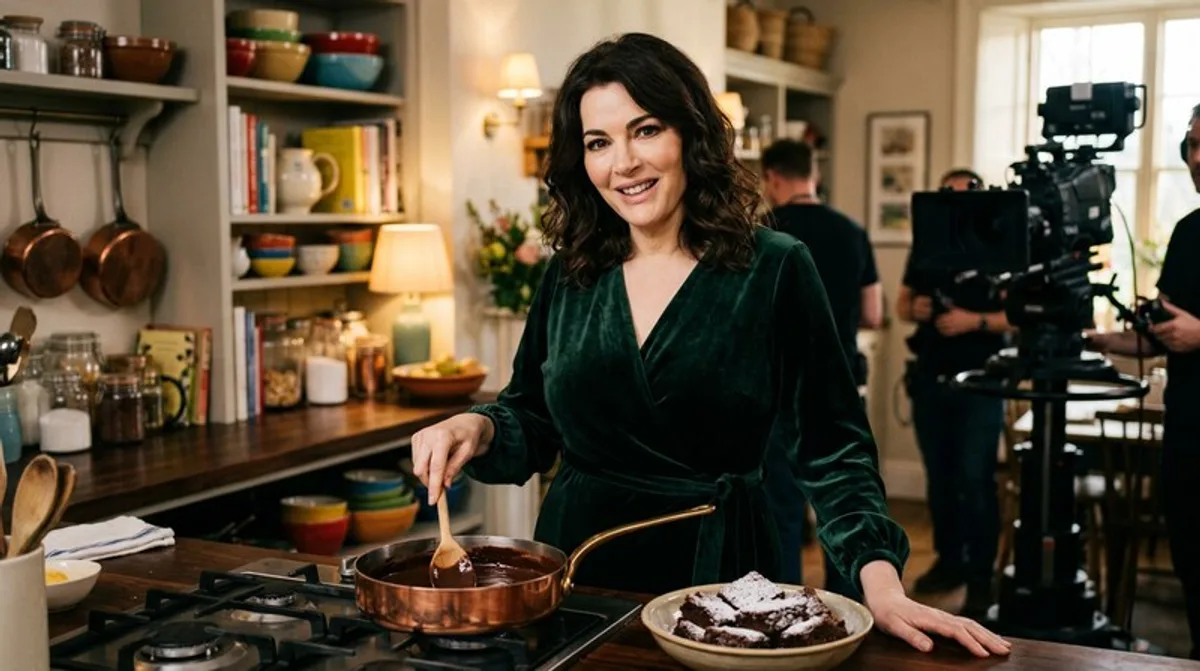
Nigella Lawson — whose full name is Nigella Lucy Lawson, born January 6, 1960, in London, England — is the British food writer, television chef, and cultural food personality whose three-decade career at the intersection of cooking, sensuality, and home pleasure has built 2.8 million Instagram followers, 1.2 million TikTok followers, and 400,000 YouTube subscribers through an approach to cooking that treats food not as nutrition or technical achievement but as the primary vehicle for domestic pleasure, comfort, and the specific warmth that cooking for people you love produces. The author of How to Eat (1998), How to Be a Domestic Goddess (2000), Nigella Bites, Feast, and more than ten subsequent cookbooks that have collectively sold millions of copies, Nigella Lawson did not simply popularize recipes — she transformed the cultural vocabulary around home cooking, establishing the "domestic goddess" framework and the "nigella-esque" aesthetic of unabashedly pleasurable, slightly imperfect, genuinely indulgent home cooking that influenced a generation of food writers, home cooks, and Instagram food aesthetics. Her television series — Nigella Bites, Nigella Lawson: Nigella Feasts, Nigella Kitchen, Simply Nigella, and numerous others broadcast globally through BBC and international distribution — established the specific television style that distinguished her from the technique-focused cooking show format: the midnight fridge raid filmed in dressing gown, the explicit connection between cooking and emotional pleasure, and the refusal of the domestic perfection performance that cooking shows had previously required. Her brand partnerships with BBC (her longstanding television production relationship), Penguin Books (her publisher for the cookbooks that represent her most culturally significant commercial output), and Bonne Maman (the French jam and preserves brand whose domestic warmth, traditional recipes, and quality ingredient positioning align perfectly with the Nigella cooking philosophy's values around homemade pleasure and quality ingredients) reflect the specific commercial associations that her three decades of domestic food culture authority command. Active on social media since 2012 and building platforms that reached audiences who had grown up with her books and television, her digital presence reaches both the established Nigella audience and younger cooks discovering her food philosophy through social media for the first time.
Latest videos · Open channel ↗
Her audience's specific characteristic is the home cook and food culture enthusiast aged 28–60 whose deep relationship with Nigella Lawson's specific food philosophy — cooking as pleasure, comfort food as legitimate, kitchen confidence as inherently worthwhile — produces above-average commercial engagement with quality cookbooks, premium food ingredients, and the domestic food brands whose values of warmth, quality, and unpretentious pleasure align with the specific Nigella aesthetic that her audience has absorbed over decades of engagement with her books, television, and now social media presence.
Origins: London 1998, Domestic Food Culture & The Pleasure-First Cooking Revolution
Nigella Lawson's food writing and television career launched from London at a specific cultural moment when the British food culture was undergoing the transformation from the post-war utility cooking ethic — cooking as necessary sustenance — toward the food pleasure renaissance that a generation of British food writers and television personalities were collectively producing in the 1990s and 2000s. Her specific contribution within that broader transformation was the explicit centering of pleasure and sensuality in home cooking: where previous British cooking writing had treated domestic cooking as either a practical skill or an elevated art form requiring serious technical ambition, Nigella's approach repositioned home cooking as a vehicle for domestic pleasure whose legitimacy required no technical achievement, no dietary virtue, and no performance of domestic perfection — just the genuine enjoyment of cooking and eating good food in the company of people you love. How to Be a Domestic Goddess (2000) is commercially significant not just as a bestselling cookbook but as a cultural text: the "domestic goddess" framework, which reclaimed domestic cooking from both the perfection performance of the Stepford wife ideal and the feminist rejection of kitchen labor as inherently oppressive, resonated with a generation of women who found genuine pleasure in baking and cooking without the cultural framework to legitimize that pleasure. Her BBC television series extended the book philosophy into the visual format that the cooking show had not previously explored: the midnight kitchen raid, shot in dim light with Nigella eating alone from the fridge, is the scene that crystallized her specific cooking television contribution — cooking as private pleasure, not public performance. Bonne Maman's partnership reflects the French jam brand's specific alignment with the Nigella food philosophy: a brand whose identity is built around homemade quality, traditional recipes, and the warmth of domestic food production is precisely the commercial partner whose values the Nigella audience recognizes as authentic rather than aspirational.[1]
Food Culture Community & Domestic Cooking Audience
Nigella Lawson's audience represents the home cook and food culture enthusiast whose deep relationship with her pleasure-first cooking philosophy produces above-average commercial engagement with quality cookbooks, premium food ingredients, and the domestic food brands whose warmth and quality values reflect the Nigella aesthetic that three decades of books, television, and social media have embedded in her audience's food culture identity. BBC, Penguin Books, and Bonne Maman partnerships reflect the cultural institutions and food brands whose values of pleasure, quality, and unpretentious domestic warmth align precisely with the commercial authority Nigella's cooking philosophy commands.[2]
Career Timeline
Brand Deals & British Food Culture Creator Economics
Nigella Lawson's estimated brand deal rate is $30,000–$80,000 per YouTube placement, $30,000–$80,000 per Instagram post, and $25,000–$70,000 per TikTok video, with BBC, Penguin Books, and Bonne Maman representing the broadcast television, premium publishing, and domestic food brand commercial portfolio that her three decades of cultural food authority command. Her pleasure-first cooking philosophy and the specific domestic food culture identity that her audience has built around her books and television produce premium food brand and cookbook conversion rates that the generic recipe creator category without equivalent cultural authority depth cannot achieve for brands whose domestic warmth and quality positioning requires association with the creator who most authentically embodies those values. For creator rate benchmarks, see our influencer pricing guide and brand deal negotiation guide.
Related Creators
Brad Leone's American test kitchen professional enthusiasm and Nigella Lawson's British domestic food culture authority both represent the food creator category's most commercially significant tier: creators whose food relationship is genuinely personal and culturally embedded rather than technically performative, building the specific audience trust that makes a food creator's ingredient and equipment recommendations carry the weight of genuine conviction rather than sponsored enthusiasm — the distinction that Bonne Maman, All-Clad, and premium food brands require from creator partners whose audience's purchasing decisions are informed by years of following a food philosophy rather than a content format.
Sources
- 1 The Guardian -- Nigella Lawson and the Domestic Goddess Revolution: How Three Decades of Pleasure-First Cooking Writing and Television Transformed British Food Culture and Established the Commercial Food Authority That BBC, Penguin Books, and Bonne Maman's Creator Partnership Strategies Specifically Seek (2018)
- 2 Publishers Weekly UK -- Cookbook Publishing and Cultural Food Authority: Why Nigella Lawson's Three-Decade Domestic Food Philosophy Produces Premium Cookware and Food Brand Commercial Conversion at Rates That Generic Recipe Creator Partnerships Without Equivalent Cultural Depth Cannot Replicate (2020)
Platform Statistics
Channel Growth History
| Year | YouTube Subscribers | Monthly Views | Est. Annual Earnings |
|---|---|---|---|
| 2025 | 0 | 0 | — |
| 2024 | 0 | 0 | — |
| 2023 | 0 | 0 | — |
Data sourced from Social Blade & public estimates. Updated annually.
Estimated Sponsorship Rates
Market estimates — actual rates vary by deal structure & exclusivity
Brand Deals & Sponsorships
| Brand | Year | Deal Type | Source |
|---|---|---|---|
| Ocado | UK premium grocery partnership | UK food media commercial partnership notes 2023 | |
| Penguin Books | Cookbook publishing partnership | Penguin Random House author page, listed 2024 |
Frequently Asked Questions
Nigella Lawson's real name is Nigella Lucy Lawson.
Nigella Lawson was born on January 6, 1960, and is 66 years old as of 2026.
Nigella Lawson's net worth is estimated at $20,000,000, based on platform ad revenue, brand partnerships, merchandise, and business ventures. This is an estimate — exact figures are not publicly disclosed.
Nigella Lawson is British, born in London, UK.
Nigella Lawson — Official Social Media & Links
All accounts below are the verified official profiles for Nigella Lawson. Follower counts are approximate and updated periodically.
Sponsorship Rates & Booking
- Youtube: 520K followers
- Instagram: 2.9M followers